
A decade ago, most homeowners didn’t think much about their roof beyond whether it leaked. Today, the roof has become one of the most important tools in the fight against rising temperatures and soaring energy bills.
Los Angeles presents unique challenges. Summer heat regularly pushes past 100 degrees in the Valley. Even coastal areas experience intense sun exposure year-round. Traditional dark asphalt shingles absorb that heat and radiate it directly into homes below, forcing air conditioning systems to work overtime.
The roofing industry has responded with remarkable innovation.
Cool roof technology represents perhaps the biggest advancement. These roofing materials are designed with highly reflective surfaces that bounce sunlight away rather than absorbing it. The difference is dramatic. A conventional dark roof might reach 150 degrees on a hot afternoon. A cool roof under identical conditions could stay 50 degrees cooler. That temperature differential translates directly to lower indoor temperatures and reduced cooling costs.


Tile roofing has also evolved significantly. Clay and concrete tiles have always performed better than asphalt in hot climates because of the air gap between the tile and roof deck. Manufacturers have now developed specialized coatings that increase reflectivity without changing the traditional aesthetic that many Southern California homeowners prefer.
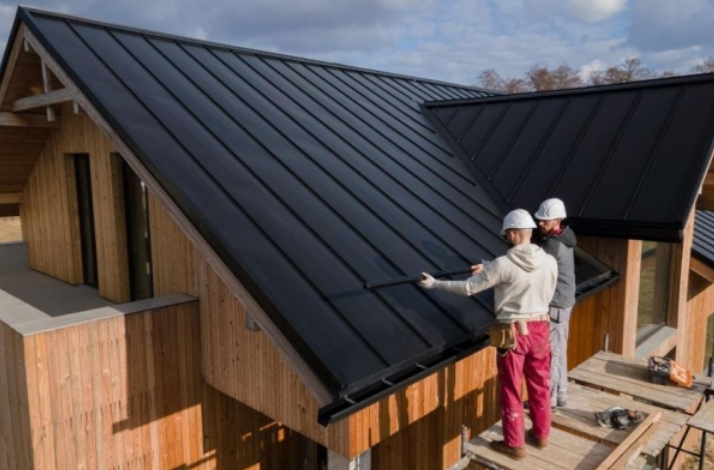
Metal roofing has surged in popularity for similar reasons. Modern metal roofs come with reflective pigments baked into the finish. They’re lightweight, durable, and can last 50 years or more. The material is also fully recyclable at the end of its lifespan.
LA Roofing Materials has been at the forefront of bringing these advanced products to the Southern California market. The company supplies contractors throughout the region with the latest cool roof options and energy-efficient materials.
Solar-integrated roofing represents another leap forward. Rather than mounting panels on top of existing shingles, newer systems incorporate photovoltaic cells directly into the roofing material itself. The result looks cleaner and often performs better because the entire system is engineered to work together.
Underlayment technology has improved too. Radiant barriers installed beneath roofing materials reflect heat before it ever reaches the attic space. Combined with proper ventilation, these barriers can reduce attic temperatures by 30 degrees or more.
See also: The Rising Demand for At-Home STD Check-Up Services in Dubai
Building codes have caught up with the science. California’s Title 24 energy standards now require cool roofing on many new construction and re-roofing projects in climate zones that include most of Los Angeles County. What was once an optional upgrade has become standard practice.
The financial case has never been stronger. Utility rebates, federal tax credits for solar installations, and simple energy savings mean that investing in advanced roofing technology often pays for itself within several years. Property values benefit too, as buyers increasingly prioritize energy efficiency.
For Los Angeles homeowners facing another brutally hot summer, the roof overhead matters more than ever. The technology exists to make a real difference. It’s just a matter of putting it to use.

